
Waste Not: Recycled Materials Worth Specifying
One of the earliest signs I may have wanted to be an architect was a fondness for Stig of the Dump as a child. Not so much the story itself, but the bits where Barney and Stig built their den using jam jars for windows, tin cans as a chimney, and all manner of discarded odds and ends. The idea of giving seemingly useless things a new lease of life always struck me as rather brilliant.
Enter professional practice, and the romance fades quickly. Construction is a wasteful industry, even when you’re trying your hardest to design with sustainability at the forefront. It is also painfully conservative in its material choices and slow to change. Planning authorities tend towards the familiar and many contractors reliably steer clients towards whatever they've always used. The result is the kind of generic housing estates that seem to have been photocopied and pasted across the country.
None of that is about to change overnight. But there are at least some new products emerging that take a little of that Stig spirit and turn waste into building materials that are not just sustainable, but genuinely characterful. Many slot neatly into existing construction methods and carry the certifications that specifiers need. Here are a few that I’ve learned of recently and would love to find the right project to specify them for:
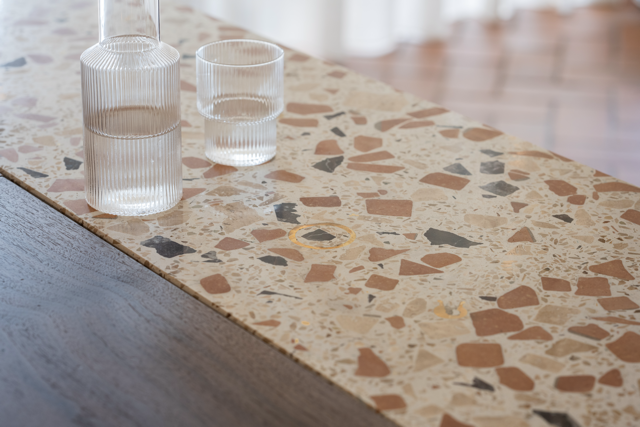
Solus Ceramics – Spolia Range takes demolition waste from your own site and transforms it into a bespoke terrazzo that can be used for a range of uses; from flooring and kitchen work surfaces, to bespoke pieces of furniture. Your old building, reborn underfoot.
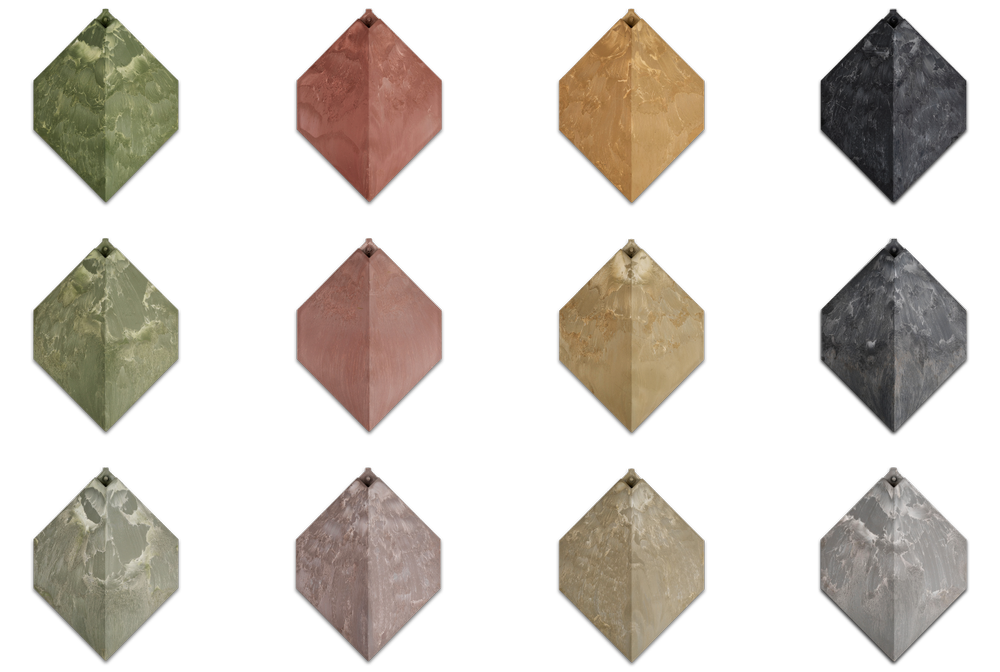
Pretty Plastic produces cladding panels from 100% recycled PVC, diverting discarded window frames and pipes from landfill into striking facade material. I love the marbled effect, the bold colours, and opportunities this product might present for creating interestingly patterned facades.
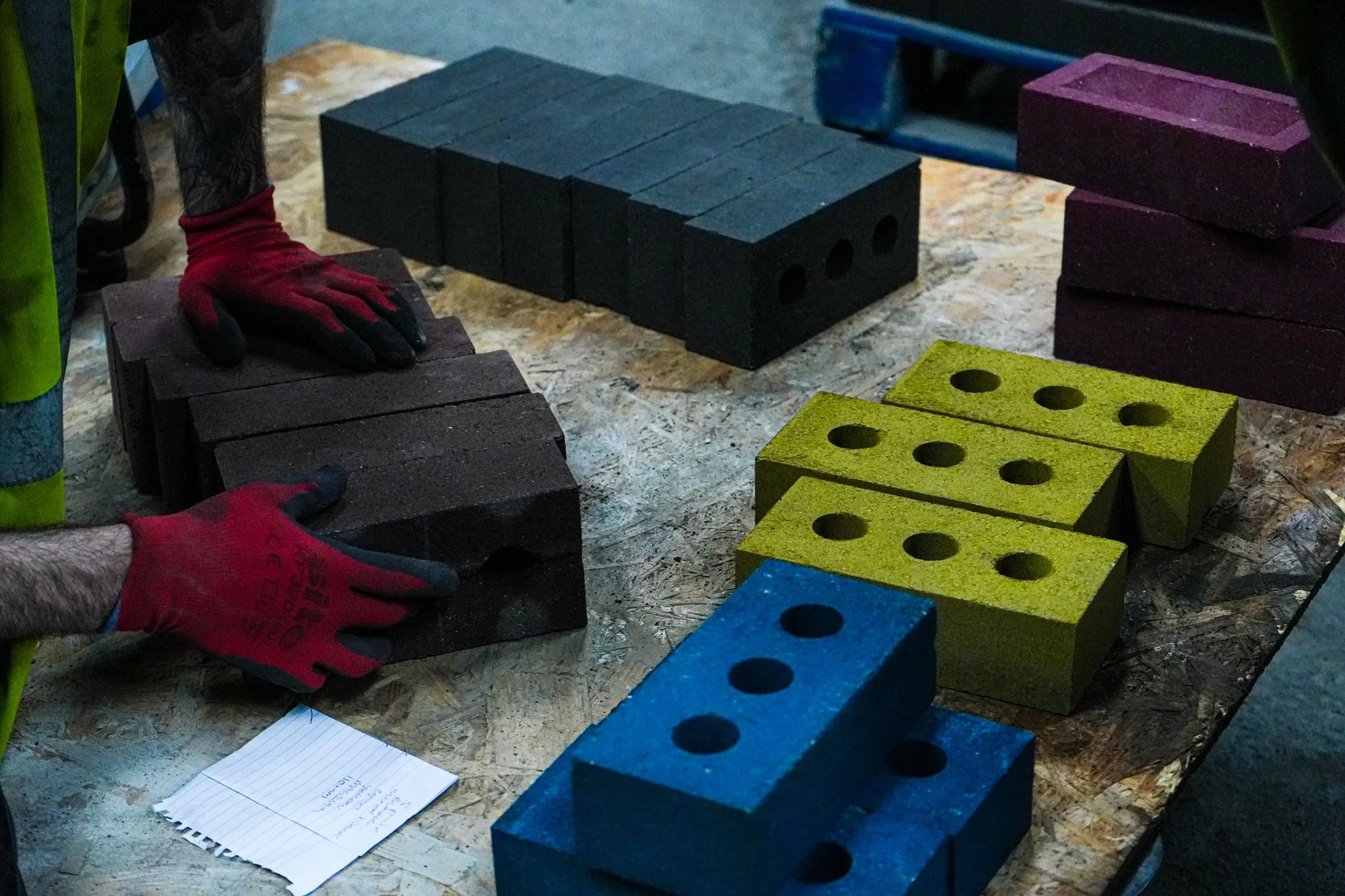
Kenoteq K-BRIQ claims to be the most sustainable brick available, using construction waste and less than 5% of the embodied carbon of a standard clay brick, and comes in a range of colours bold too, which are created using recycled pigments. Clay blocks are so abundant in UK construction, but the production of them is incredibly carbon intensive, so anything that can tackle that while also providing opportunities for much needed vibrancy in our built environment has me interested.
The main obstacle at present to these sorts of technologies becoming more mainstream in construction is cost. Limited production scale means a price premium that is hard to justify for many construction budgets. But as these products gain traction, that gap should narrow.
In the meantime, if you have a project and would like to give our team the opportunity to explore any of these materials, we'd love to hear from you.